Monstera Deliciosa
Monstera deliciosa
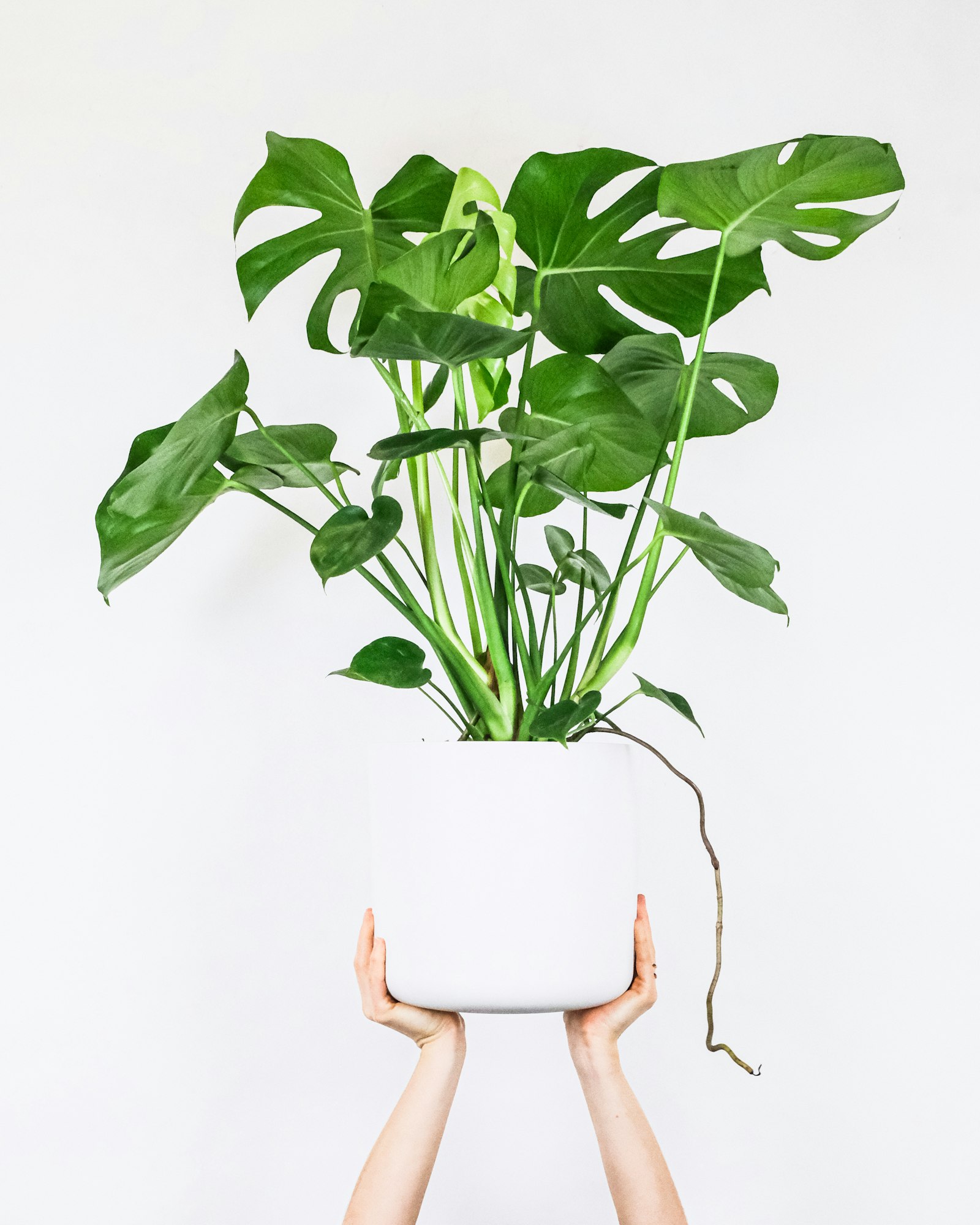
The Monstera Deliciosa, or Swiss Cheese Plant, is a striking tropical evergreen loved for its large, glossy leaves with dramatic natural splits and holes. It is one of the most popular indoor houseplants worldwide thanks to its easy care and bold sculptural appearance.
Water when the top 2–3 cm of soil is dry, usually every 7–10 days.
Bright, indirect light. Tolerates medium light but grows slower.
Well-draining, peat-based potting mix rich in organic matter.
18–27 °C (65–80 °F). Avoid drafts and temperatures below 12 °C.
Prefers 50–60% humidity. Mist leaves or use a humidifier in dry rooms.
Primarily indoor; can grow outdoors in tropical climates (USDA zones 10–12).
Toxicity & Safety
Toxic to cats, dogs, and humans if ingested (contains calcium oxalate crystals).
Common problems & diseases
Problems: Yellowing leaves from overwatering; brown edges from low humidity; leggy growth in low light.
Diseases: Root rot, leaf spot, powdery mildew.
Pests to watch for
Spider mites, mealybugs, scale, thrips.
Propagation
Stem cuttings in water or soil; air layering.
Good to know
- Bloom time
- Rarely blooms indoors.
- Native region
- Southern Mexico and Central America.
Frequently asked questions
+
Young Monsteras produce solid leaves first. Give it bright indirect light and time — fenestrations appear as it matures.
+
Water when the top 2–3 cm of soil feels dry, typically every 7–10 days depending on humidity and light.
+
No. Monstera is toxic to cats and dogs due to calcium oxalate crystals.
Not sure what plant you have?
Snap a photo and Vera AI will identify it in seconds — plus a full care guide, disease check, and reminders.
Identify with AI